
You’re standing at the gas pump, staring at labels that mention “contains up to 10% ethanol,” and wondering what that actually means for your car. Most drivers fill up without giving it much thought, but understanding the difference between ethanol and non-ethanol fuel can save you money, prevent engine problems, and help you make smarter decisions at the pump.
This guide covers everything you need to know about ethanol vs non-ethanol fuel, including how each type affects your vehicle’s performance, fuel economy, and long-term health. Whether you’re driving a brand-new car or maintaining an older vehicle, this information will help you choose the right fuel for your specific needs. At Trustworthy Towing Service, we’ve seen firsthand how fuel-related issues can leave drivers stranded, which is why we believe in helping Memphis area drivers make informed decisions. If you ever find yourself in a fuel emergency, you can reach us at (901) 401-4025.
What Is Ethanol Fuel?
Ethanol fuel is gasoline blended with ethyl alcohol, a biofuel derived primarily from corn, sugarcane, and other plant materials. The most common blend you’ll encounter is E10, which contains 10% ethanol and 90% gasoline. This has become the standard fuel sold at most gas stations across the United States.
The widespread use of ethanol fuel stems from government mandates aimed at reducing dependence on foreign oil and lowering vehicle emissions. The Renewable Fuel Standard requires fuel companies to blend specific amounts of biofuels into the gasoline supply.
You’ll find several ethanol blends available:
- E10: Contains 10% ethanol, suitable for all modern vehicles
- E15: Contains 15% ethanol, approved for 2001 and newer cars
- E85: Contains 85% ethanol, designed only for flex-fuel vehicles
Most gas stations clearly label their pumps with ethanol content, making it easy to identify what you’re purchasing.
Understanding Non-Ethanol Fuel
What Makes Pure Gasoline Different
Non-ethanol fuel is pure gasoline without any ethanol additives. You’ll typically find this fuel at marine gas stations, some premium pumps, and specialty retailers. It’s sometimes marketed as “recreational fuel” or “marine fuel” because boat owners and small engine operators prefer it.
Pure gasoline costs more per gallon than ethanol blends, primarily because it doesn’t benefit from government subsidies that support ethanol production. The higher price also reflects limited availability, as most refineries focus on producing ethanol-blended fuels to meet federal requirements.
Where to Find Non-Ethanol Fuel
Finding non-ethanol fuel requires some searching. Marine gas stations near lakes or rivers often carry it, and some truck stops offer pure gasoline alongside their standard ethanol blends. Several smartphone apps and websites help locate non-ethanol fuel stations in your area.
Key Differences Between Ethanol vs Non-Ethanol Fuel
Fuel Economy Impact
Ethanol contains approximately 33% less energy per gallon compared to pure gasoline. This energy difference directly translates to reduced fuel economy when using ethanol blends.
Most drivers experience a 3-5% decrease in miles per gallon when using E10 compared to non-ethanol fuel. While this might seem small, it adds up over time. A vehicle that normally gets 25 mpg on pure gasoline might only achieve 24 mpg on E10.
Engine Compatibility Considerations
Modern vehicles manufactured after 2001 are designed to handle ethanol blends without problems. These cars have fuel system components that resist ethanol’s corrosive properties and can adjust fuel delivery to compensate for ethanol’s different combustion characteristics.
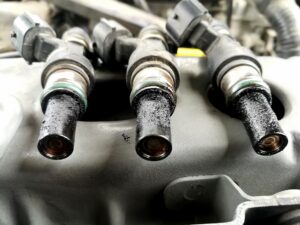
Older vehicles and small engines face more challenges with ethanol fuel. Ethanol can damage rubber fuel lines, gaskets, and seals in older cars. Small engines in lawnmowers, chainsaws, and boat motors are particularly susceptible to ethanol-related problems.
Storage and Shelf Life Differences
Ethanol absorbs moisture from the air, which creates several storage-related issues. E10 fuel typically maintains quality for about 90 days in proper storage conditions, while pure gasoline can last six months or longer.
The moisture absorption leads to a problem called phase separation, where water and ethanol separate from gasoline, creating a layer that can damage engines. This makes ethanol fuel particularly problematic for vehicles or equipment that sit unused for extended periods.
Advantages and Disadvantages Breakdown
Ethanol Fuel Benefits
- Environmental impact: Burns cleaner than pure gasoline, reducing certain emissions
- Cost savings: Generally costs less per gallon at the pump
- Octane boost: Ethanol naturally increases octane rating, which can improve performance in high-compression engines
- Widespread availability: Found at virtually every gas station
Ethanol Fuel Drawbacks
- Reduced fuel economy: Lower energy content means more frequent fill-ups
- Moisture problems: Absorbs water, leading to corrosion and fuel system issues
- Storage limitations: Shorter shelf life makes it problematic for occasional-use vehicles
- Compatibility issues: Can damage older fuel system components
Non-Ethanol Fuel Benefits
- Better fuel economy: Higher energy content provides more miles per gallon
- Longer storage life: Maintains quality for months without degradation
- Equipment protection: Safe for older vehicles and small engines
- No moisture absorption: Eliminates water-related fuel system problems
Non-Ethanol Fuel Drawbacks
- Higher cost: Premium pricing due to limited availability and lack of subsidies
- Limited availability: Requires searching for stations that carry pure gasoline
- Higher emissions: Produces more certain pollutants than ethanol blends
Choosing the Right Fuel for Your Vehicle
Modern Vehicle Recommendations
If you drive a car manufactured after 2001, you can safely use either ethanol or non-ethanol fuel. Your decision should focus on cost-benefit analysis and driving patterns.
For daily drivers with high mileage, the lower cost of ethanol fuel often outweighs the slight decrease in fuel economy. However, if you prioritize maximum fuel efficiency or drive a performance vehicle, non-ethanol fuel might justify its higher cost.
Older Vehicle and Small Engine Guidelines
Vehicles manufactured before 2001 and small engines benefit significantly from non-ethanol fuel. These engines weren’t designed to handle ethanol’s corrosive properties or different combustion characteristics.
Classic car owners, motorcycle enthusiasts, and anyone operating lawn equipment should strongly consider non-ethanol fuel to prevent costly repairs and maintain optimal performance.
Seasonal and Storage Considerations
If you own vehicles or equipment that sit unused for months, non-ethanol fuel provides better protection during storage periods. Boats, recreational vehicles, and seasonal lawn equipment all benefit from pure gasoline’s stability and longer shelf life.
Practical Tips for Fuel Selection
Identifying Ethanol Content
Gas pump labels clearly indicate ethanol content, but you can also use ethanol test kits available at auto parts stores. These simple tests help verify fuel composition if you’re unsure about a particular station’s offerings.
Recognizing Fuel-Related Problems
Watch for symptoms that might indicate ethanol-related issues in your vehicle. These include difficulty starting, rough idling, reduced performance, and fuel system corrosion. Small engines might show white deposits around fuel lines or experience frequent stalling.
When fuel system problems occur, they can sometimes leave drivers stranded unexpectedly. Professional assistance becomes valuable in these situations, whether you need emergency fuel delivery or roadside support.
Making Cost-Effective Decisions
Calculate the true cost difference between fuel types by considering both price per gallon and fuel economy changes. Factor in your annual mileage and driving patterns to determine which option provides better value for your specific situation.
Conclusion
Understanding ethanol vs non-ethanol fuel helps you make informed decisions that protect your vehicle and optimize your fuel budget. Modern cars handle ethanol blends well, making E10 a practical choice for most daily driving. However, older vehicles, small engines, and equipment that sits unused benefit significantly from pure gasoline despite its higher cost.
The key is matching your fuel choice to your specific vehicle and usage patterns. When in doubt, consult your owner’s manual or a trusted mechanic for guidance tailored to your situation. At Trustworthy Towing Service, we understand that fuel-related decisions impact your vehicle’s reliability and your peace of mind. If you ever need emergency assistance or have questions about roadside services, don’t hesitate to call us at (901) 401-4025.